

Healthy Snacking - How to Do it the Right Way
There's nothing wrong with healthy snacking, but very often it’s mindlessly eating disguised as snacking.
Don’t see the difference? Keep reading. We’ve created a list of what snacking is and what it most certainly isn’t.
What is Snacking?
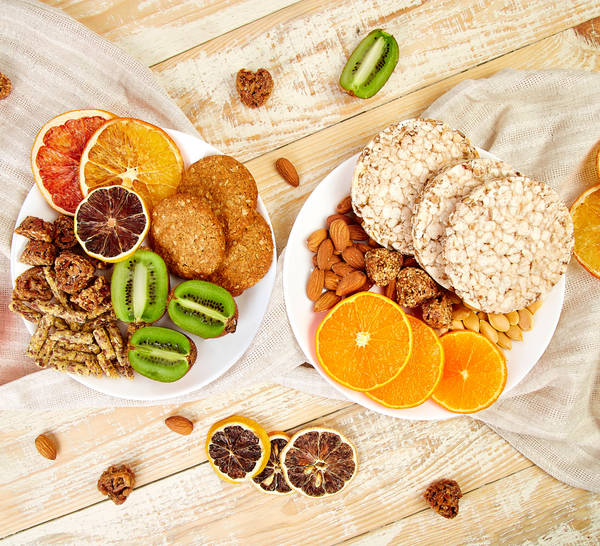 When done right, healthy snacking is a powerful nutritional strategy. It’s about eating between meals and choosing foods that fuel your body and brain. Here’s what healthy snacking looks like:
-
A planned part of your day: Healthy snacks can make up to ¼ of your daily caloric intake, especially if you prefer smaller meals.
-
A way to stabilize blood sugar: Strategic snacks help manage dips in blood glucose between meals.
-
A midday energy booster: A nutritious bite can keep you sharp during that 3 PM slump.
-
A tool to manage hunger: When snacks are rich in fiber, healthy fats, or protein, they help keep you full and satisfied.
-
A mood and productivity enhancer: Mindful snacking supports better focus and overall energy.
-
Mostly nutrient-rich: Aim for snacks that are 90% nutritious and 10% just-for-fun. (We're looking at you, dark chocolate square.)
What Snacking Is NOT:
-
Mindless eating: Snacking shouldn’t be done mindlessly. Nuts are healthy but eat a jar full and good for you or not, that snack just became two workouts' worth of calories.
-
High-Caloric: A snack is not a meal and shouldn’t end up being the same amount of calories as lunch.
-
Snack-sized sugar-loaded treats: Snack-size does not equal good for you. Read the label. Look at the sugar and sodium content.
-
Emotional Support Crutch: Eating because you’re bored, anxious, overwhelmed, underpaid, or tired is not snacking, it’s numbing your worries in a sugar rush.
-
Snacking isn't dessert: You can have your cake and eat it too, but don't call it snacking.
-
Snacking won't quench your thirst: A lot of the times our brains misinterpret “I’m thirsty” for “feed me.”
Healthy Snacking vs. Mindless Eating

It’s easy to confuse snacking with mindless eating, but the two are very different and only one supports your health goals. Healthy snacking nourishes your body while mindless eating satisfies a moment but sabotages your long-term health.
When in doubt, pause and ask yourself: Am I truly hungry? Or am I just looking for a distraction?
Snacking is intentional and nutritious
-
You plan it.
-
It’s eaten to curb hunger, not emotions.
-
It includes nutrient-rich foods like nuts, fruit, yogurt, or veggies with hummus.
-
It supports energy, blood sugar balance, and appetite control.
-
It fits into your overall daily calorie and nutrition goals.
Mindless Eating is unplanned and emotional
-
You eat out of boredom, stress, or habit
-
It usually happens while multitasking; watching TV, scrolling your phone, or working.
-
You lose track of portions
-
It often involves highly processed, sugary, or salty foods.
-
It can leave you feeling sluggish or guilty afterwards.
A Balanced Meal = Less Snacks
A balanced meal can keep you satisfied until the next one, so snacks won't be missed. The concept of a complete meal doesn't mean 'stuff yourself at the lunch buffet' so you last until dinner. With balanced macros, you won't feel hungry because the food on your plate is high quality, but not high volume.
To hold you over until your next meal, sans snacks, a decent meal would consist of:
-
5-10g of healthy fat
-
30g of complex carbohydrates
-
10g of Fiber
How to Control Cravings
If you're used to eating more than the body needs, anything less might feel uncomfortable at first. Don’t give up. Keep pushing through the adjustment period and eventually the cravings will stop. Try Body Complete's Rx Control Appetite Suppressant Capsules help you through the adjustment period.
FAQs About Healthy Snacking
Is snacking bad for you?
Not at all (when done right). Healthy snacking can support your energy levels, mood, and metabolism.
What are the best healthy snacks?
Look for snacks with protein, fiber, and healthy fats, such as Greek yogurt with berries, hummus and veggies, or a boiled egg with fruit.
How often should I snack?
That depends on your eating habits and daily schedule. One or two strategic snacks between meals are usually enough.